

A Circle of Our Own: A Neurodivergent-Affirming IFS Healing Circle
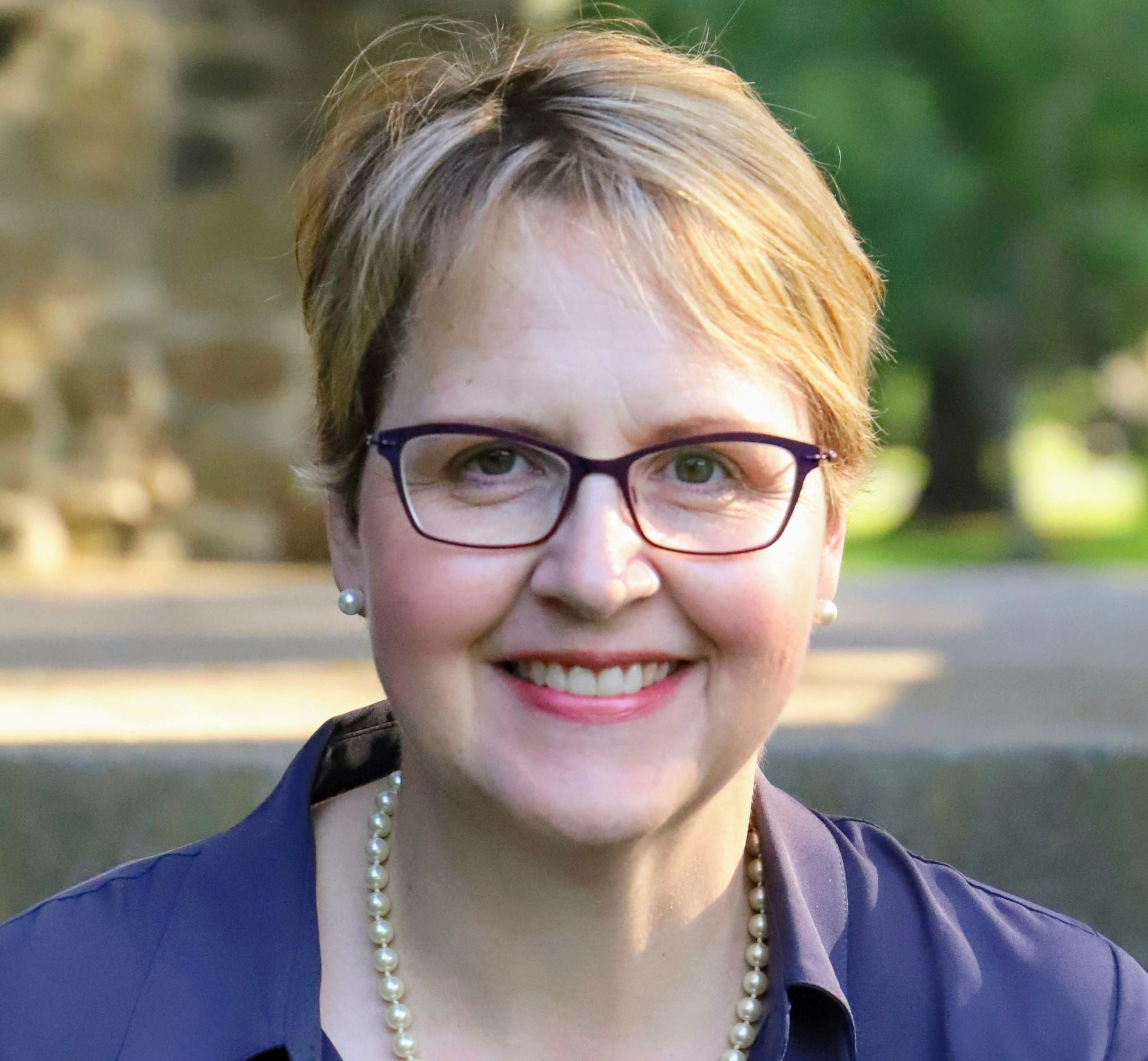
I am so excited to open this space. Starting in October 2026, I'll be facilitating a 20-week virtual Internal Family Systems (IFS) healing circle built specifically as an affinity space for neurodivergent people — autistic, ADHD, AuDHD, and otherwise wired differently, whatever word you use or don't yet have for it. This isn't a general therapy group with a few accommodations added on. It was designed from the ground up around what neurodivergent nervous systems actually need in order to feel safe enough to do deep inner work, alongside others who share that wiring. It is open to individuals residing in Massachusetts, Maine, New Hampshire, Connecticut and Vermont.

What is IFS, and why does an affinity space matter?
Internal Family Systems is a model of therapy built on a simple, radical premise: we are not one single self but a system of parts — protectors, exiles, managers, firefighters — each trying, in its own way, to keep us safe. Healing happens not by silencing or overriding these parts, but by getting curious about them, understanding what they're carrying, and helping them unburden with the support of Self-energy: the calm, compassionate, curious core IFS holds is always in us, even when it's hard to access.
For neurodivergent people, IFS can be an extraordinary fit. So many of us carry parts that formed in response to years of masking, being misunderstood, or being told our natural way of moving through the world was "too much" or "not enough." But most IFS spaces aren't built with neurodivergent nervous systems in mind — the pacing assumes a certain processing speed, the unspoken social norms assume a certain communication style, and the sensory environment assumes a certain tolerance for stillness and eye contact.
This circle exists because neurodivergent people deserve to do this work somewhere that isn't asking them to mask their way through healing. An affinity space — a group specifically for and among neurodivergent people — removes an entire layer of exhausting translation and self-monitoring, so the energy that would normally go into "passing" can go into the work itself.
What's different about this circle
Concretely, that means this group looks and feels different from a typical therapy group in a few important ways.
Sensory and pacing accommodations are built in, not bolted on. You can show up exactly as you are, whether that means mid-stim, in pajamas, or lying on the floor. Movement, fidgeting, and stimming are welcome throughout, not just tolerated. We build in real breaks rather than packing the ninety minutes wall to wall, and the pace of the work itself follows IFS's own core principle — no forcing, no rushing a part before it's ready — which happens to line up beautifully with the way many neurodivergent nervous systems need to process.
Communication norms are made explicit instead of assumed. Group agreements are spelled out clearly rather than left as unspoken social rules you're expected to intuit. You can participate by speaking, by typing in chat, through reactions, or simply by witnessing — all of these count as full participation. There's no expectation of constant eye contact, quick verbal responses, or a particular tone of voice. The goal is to lower the cognitive and social load of simply being in the group, so there's more room left for the actual inner work.
Your facilitator
I'll be facilitating this circle myself. I'm a Level 3 IFS-trained clinician, and I'm also late-diagnosed neurodivergent — I spent years doing therapy, including IFS, in spaces that weren't built for how my brain works, and I know firsthand what it feels like to leave a session more depleted from managing the format than nourished by the actual healing. I bring both my clinical training and my own lived experience into how I hold this group: I'm not guessing at what accommodations might help, I've needed them myself.
That combination — real clinical depth in the IFS model alongside genuine understanding of neurodivergent experience — is the whole reason this circle exists.
Who this is for, and the details
This circle is open to any neurodivergent adult who wants to do this work alongside others who share that wiring — whether you have a formal diagnosis, you self-identify as neurodivergent, or you're still in the process of exploring what that might mean for you. You don't need a diagnosis in hand to belong here.
Format: Virtual, meeting every other Monday from 6:30–8:30pm
Length: 20 sessions, starting in October 2026
Admission: An intake appointment is required before joining, so we can talk through what you're looking for and make sure the group is a good fit for you and you for it
Because this is deep, ongoing work done in relationship with the same small group of people over many months, that intake conversation matters — it's a chance for us to meet, for you to ask questions, and for both of us to get a feel for whether this circle is the right container for what you're carrying right now.
Let's talk
If any of this is resonating — if you've felt the exhaustion of doing healing work in spaces not built for you, or you've been curious about IFS but hesitant to try it somewhere you'd have to mask through it — I'd love to hear from you. Reach out to me directly at ldube@merrimackriverwellness.com with questions or to start the intake process.
This circle is a space for us. I can't wait to hold it.



Comments